Effective Furniture Disposal in Covent Garden: Your Comprehensive Guide
Understanding Furniture Disposal

Furniture disposal in Covent Garden can seem daunting, but with the right approach, it can be a seamless process. Whether you're upgrading your living space or simply decluttering, knowing how to properly dispose of unwanted furniture is essential.
Proper disposal not only helps in keeping the environment clean but also ensures that items are either recycled or donated, reducing waste and benefiting the community.
In this guide, we'll explore various methods and best practices for furniture disposal in Covent Garden, helping you make informed decisions that are both eco-friendly and efficient.
Why Proper Furniture Disposal Matters

Disposing of furniture correctly is crucial for several reasons. Firstly, it minimizes environmental impact by ensuring that materials are recycled or repurposed rather than ending up in landfills.
Secondly, proper disposal supports the community. Donated furniture can provide for those in need, fostering a sense of community and support.
Lastly, responsible disposal helps maintain the aesthetic and cleanliness of Covent Garden, a vibrant and bustling area known for its historical significance and modern attractions.
Methods of Furniture Disposal

Donation
Donating furniture is an excellent way to extend the life of your items. Numerous charities and organizations in Covent Garden accept gently used furniture, ensuring it finds a new home.
- Charitable Organizations
- Local Shelters
- Community Centers
Recycling
Recycling furniture involves breaking down items into their constituent materials, which can then be reused in new products. Many facilities in and around Covent Garden offer recycling services for wooden, metal, and upholstered furniture.
- Wood Recycling Centers
- Metal Scrap Yards
- Textile Recycling Programs
Private Removal Services
If you're dealing with large or numerous pieces, hiring a private removal service might be the most efficient option. These services handle the heavy lifting, transportation, and disposal of your furniture, saving you time and effort.
Steps to Dispose of Furniture Responsibly

Assess the Condition
Before deciding on a disposal method, evaluate the condition of your furniture. Items in good condition are prime candidates for donation, while those that are damaged may need to be recycled or disposed of through special programs.
Choose the Right Disposal Method
Select a disposal method that aligns with the condition of your furniture and your personal circumstances. Consider factors like cost, convenience, and environmental impact.
Prepare Your Furniture
Ensure your furniture is clean and, if necessary, disassemble larger pieces to facilitate easier handling and transportation. Proper preparation can make the disposal process smoother and more efficient.
Local Regulations and Guidelines
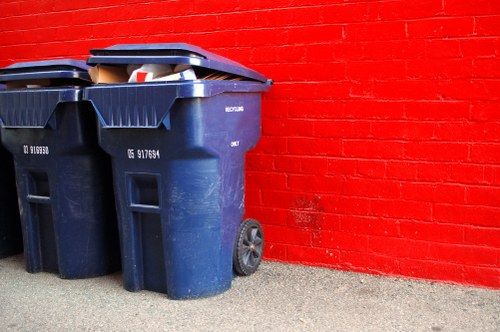
Understand Covent Garden's Waste Management Policies
Covent Garden has specific regulations regarding waste disposal, including furniture. Familiarize yourself with these guidelines to ensure compliance and avoid potential fines or penalties.
Scheduling Pickups and Drop-offs
Coordinate with local waste management services or private companies to schedule pickups or drop-offs. Timely arrangements can prevent clutter and ensure your furniture is disposed of responsibly.
Fees and Costs
Be aware of any costs associated with furniture disposal. Some services may offer free pickups for donated items, while others might charge based on the volume or type of furniture being disposed of.
Eco-Friendly Furniture Disposal Tips
Repair and Refurbish
Before deciding to dispose of furniture, consider repairing or refurbishing it. Simple fixes can restore functionality and extend the life of your pieces, reducing the need for disposal.
Upcycling
Get creative by upcycling old furniture into new, functional items. This not only gives your pieces a new purpose but also adds unique character to your home.
Educate Yourself
Stay informed about sustainable disposal practices and local recycling programs. Knowledge is key to making environmentally responsible decisions.
Hiring Professional Services
Choosing the Right Service Provider
Select a reputable furniture disposal service in Covent Garden. Look for companies with positive reviews, transparent pricing, and a commitment to eco-friendly practices.
What to Expect
Professional services typically handle everything from pickup to disposal, ensuring your furniture is dealt with appropriately. They can also offer advice on the best disposal methods for your specific items.
Cost Considerations
While professional services may come with a price tag, the convenience and assurance of responsible disposal often justify the expense. Compare different providers to find a service that fits your budget and needs.
Community Resources and Support
Local Charities
Many local charities in Covent Garden accept furniture donations. These organizations often support housing, education, and community development initiatives.
Recycling Centers
Recycling centers provide facilities for breaking down and reusing materials from disposed furniture. They play a vital role in reducing waste and promoting sustainability.
Volunteer Organizations
Engage with volunteer groups that assist in furniture disposal efforts. These organizations can offer support in donation drives, recycling events, and other community-focused activities.
FAQs About Furniture Disposal in Covent Garden
How can I donate my furniture in Covent Garden?
Several local charities and organizations accept furniture donations. Contact them directly or arrange a pickup through professional disposal services.
What types of furniture can be recycled?
Most types, including wood, metal, and upholstered items, can be recycled. Check with local recycling centers for specific guidelines.
Are there any costs associated with furniture disposal?
Costs vary depending on the method chosen. Donations are often free, while recycling and private services may have associated fees.
Can I dispose of large furniture items myself?
Yes, but it may require special arrangements such as renting a vehicle or scheduling a bulk pickup with waste management services.
What should I do with broken or damaged furniture?
Damaged furniture can often be recycled. Alternatively, consider repurposing parts of it or donating it to organizations that accept such items.
Conclusion
Furniture disposal in Covent Garden doesn't have to be a stressful experience. By understanding your options and following best practices, you can dispose of your furniture responsibly and sustainably.
Whether you choose to donate, recycle, or hire a professional service, each method contributes to a cleaner environment and a supportive community.
Take the first step today: Contact us today to learn more about your furniture disposal options in Covent Garden.